
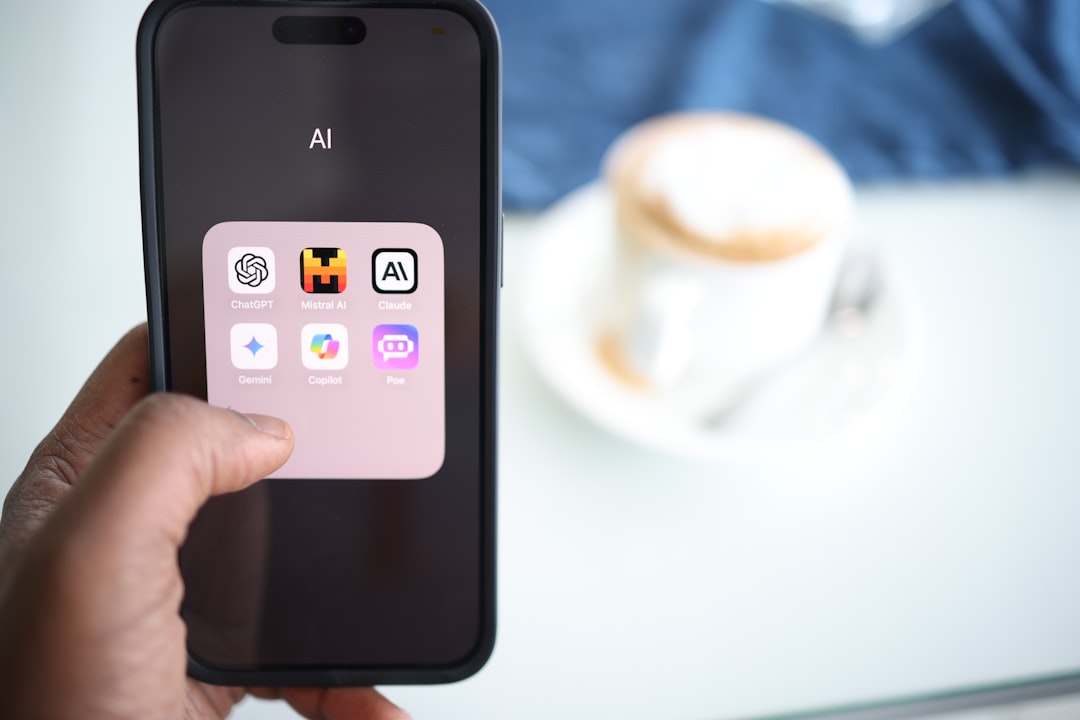
The rapid advancement of generative AI presents incredible opportunities for education, offering personalized learning experiences, automated feedback mechanisms, and the potential to revolutionize how we teach and learn. However, this exciting new frontier is also fraught with legal complexities, creating what can only be described as a legal minefield for educators, institutions, and developers alike.
One of the most pressing concerns revolves around copyright. Generative AI models are trained on massive datasets scraped from the internet, which often includes copyrighted material. Using AI-generated content that incorporates copyrighted elements without permission raises serious legal questions about infringement. Educators need to carefully consider the source of AI-generated assignments and ensure that they aren’t inadvertently distributing or promoting copyrighted work. The lines are blurry, and the legal landscape remains uncertain, making it crucial to proceed with caution.
Data privacy is another significant hurdle. Many AI tools require students to input personal information, raising concerns about compliance with regulations like FERPA (Family Educational Rights and Privacy Act) in the US and GDPR (General Data Protection Regulation) in Europe. Institutions must implement robust data protection measures and ensure transparency about how student data is collected, used, and protected. Failing to do so could result in hefty fines and reputational damage.
Issues of plagiarism and academic integrity are also at the forefront. The ease with which students can generate essays, code, or other assignments using AI raises questions about the authenticity of their work and the integrity of the educational process. Detecting AI-generated content can be challenging, but institutions are exploring various methods to address this problem, from implementing stricter plagiarism checks to revising assessment methods. However, the cat-and-mouse game between AI detection tools and AI refinement will likely continue.
Furthermore, the liability for inaccuracies or biases embedded within AI-generated content remains unclear. If an AI-generated learning resource contains factual errors or perpetuates harmful stereotypes, who is responsible? The developers, the institution using the tool, or the educator incorporating it into their curriculum? This uncertainty necessitates a proactive approach to evaluating the reliability and ethical implications of AI tools before their implementation.
Navigating this legal minefield requires a multi-faceted approach. Educators need ongoing professional development to understand the legal implications of using generative AI. Institutions must establish clear policies and guidelines for the responsible use of AI in education. Developers need to prioritize ethical considerations and transparency in the design and development of their AI tools. Finally, a collaborative effort involving educators, institutions, developers, and lawmakers is crucial to develop a robust legal framework that supports innovation while safeguarding the rights and interests of all stakeholders. Only through careful consideration and proactive measures can we harness the transformative potential of generative AI in education while mitigating the associated legal risks.